
Clinical Trials
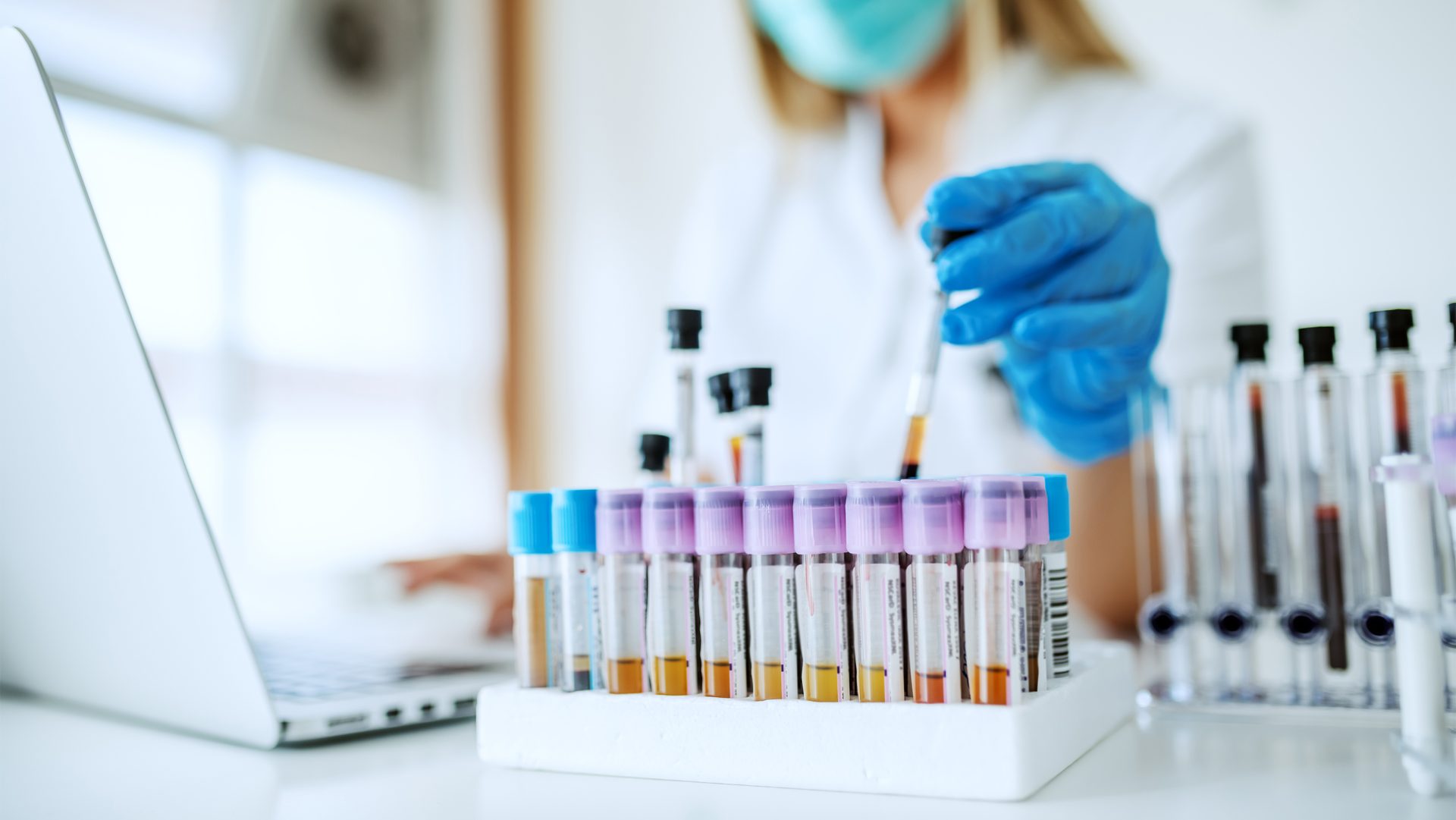
At Florida Oncology & Hematology’s Cape Coral and Fort Myers clinics, eligible patients may have access to clinical trial opportunities. As a community oncology practice, we are committed to advancing promising therapies, improving outcomes, and helping transform cancer care in the community.
Clinical trials are carefully designed research studies that evaluate the safety and effectiveness of new medications, treatment combinations, procedures, and approaches to care. They are an essential part of modern medicine, helping physician investigators and volunteers establish better standards of care for patients today and in the future.
For some people, a clinical trial may offer the opportunity to take a more active role in their care, access an investigational treatment before it is widely available, and contribute to research that may benefit others. Participation is always voluntary, and our team can help you understand whether a trial may be appropriate for you.
What Are the Phases of Clinical Trials?
Most research involving a new medication follows a series of steps, known as phases. Each phase is designed to answer specific questions about the treatment while prioritizing participant safety.
Phase I trials
These first studies in people evaluate how a new treatment should be given—such as by mouth, through a vein, or by injection—as well as how often it should be administered and what dose is safe. Phase I trials typically include a small number of participants, sometimes as few as a dozen.
Phase II trials
Phase II studies continue to evaluate safety while beginning to assess how well the treatment works. These studies often focus on a specific type of cancer.
Phase III trials
Phase III studies compare a new treatment, treatment combination, or procedure with the current standard of care. Participants are often assigned at random to receive either the standard treatment or the new approach. These trials may enroll large numbers of people and take place at cancer centers, clinics, and physicians’ offices across the country.
Phase IV trials
After a treatment has been approved and is available to patients, it may continue to be studied in a Phase IV trial. These studies evaluate side effects, risks, and benefits over a longer period of time and among a larger number of people.
Ensuring Clinical Trial Safety
Every clinical trial in the United States must be reviewed and monitored by an Institutional Review Board (IRB). An IRB is an independent committee that may include physicians, nurses, statisticians, bioethicists, attorneys, social workers, community advocates, and members of the public.
The IRB reviews each study protocol to help ensure that the research is ethical, that potential benefits justify the risks, and that the rights and well-being of participants are protected. Federal laws and regulations require institutions conducting or supporting biomedical research involving people to have an IRB that approves and periodically reviews research studies.
Participant safety is the highest priority throughout the clinical trial process. Before enrolling, you will receive information about the study, its potential risks and benefits, and your other treatment options. You may ask questions at any time and may choose not to participate—or leave the study—at any time.
Clinical research is not only a last-resort option. Trials may be available at different points in care and for many types of cancer. Ask your physician whether a clinical trial at our Cape Coral or Fort Myers clinic may be right for you. If a study is available, a clinical research professional will discuss the details with you and answer your questions so you can make an informed decision.